Eradicating an infestation of Cimex lectularius requires disrupting both insect biology and structural harboring behaviors. Bed bugs possess behavioral adaptations allowing harborage deep within wall voids, carpet tack…
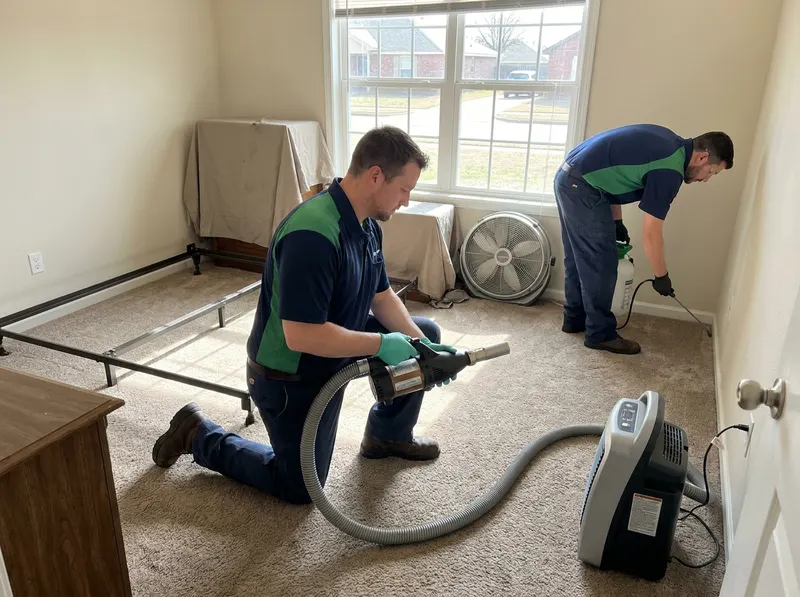
Eradicating an infestation of Cimex lectularius requires disrupting both insect biology and structural harboring behaviors. Bed bugs possess behavioral adaptations allowing harborage deep within wall voids, carpet tack strips, and electrical junctions. Thermal remediation operates by elevating core room temperatures using specialized convective electric or indirect-fired heating units to between 122°F and 135°F for a minimum exposure period of 90 minutes. This sustained temperature denatures essential physiological proteins and dehydrates all instars along with embryonic eggs in situ. When structural density or heat-sensitive belongings limit thermal penetration, targeted residual chemical applications supply non-repellent active ingredients and desiccating dusts (such as amorphous silica gel) to intercept migrating adults without triggering chemical avoidance dispersal into adjacent living spaces.
Thermal remediation serves properties requiring single-day depopulation without chemical residues on contact fabrics, whereas targeted chemical protocols fit localized, early-detection scenarios where furnishings remain structurally accessible. The practical trade-off centers on preparation labor versus treatment speed: whole-home heat mandates the removal of pressurized containers, wax items, and fine electronics prior to heating, while chemical remediation preserves delicate possessions but requires biological uptake over an incubation period of two to three weeks. In historic lath-and-plaster homes across Heritage Hills, Mesta Park, and Crown Heights, deep wall cavities frequently shield bed bug clusters from ambient air currents, making dual-mode remediation the definitive protocol. In urban multi-family or loft spaces through Midtown, Deep Deuce, and the Plaza District, compartmentalized non-repellent barrier treatments prevent lateral migration into shared plumbing chases.
Structural preparation dictates outcome reliability. The procedure follows four steps: 1. Physical inspection confirms active harborages via cast skins, fecal staining, and live insect specimens across bed frames and adjacent floor joints. 2. Linens are laundered in water exceeding 120°F and sealed in 3-mil polyethylene bags to prevent cross-contamination. 3. High-volume air movers circulate heated air across target spaces until calibrated wall sensors confirm thermal lethal minimums in voids. 4. Post-thermal chemical barrier applications across baseboard interfaces and subflooring joints secure long-term defense against reintroduction from external transit sources. Residential neighborhoods near Quail Springs and Capitol Hill benefit from targeted structural exclusion, sealing baseboard gaps along concrete slabs to deny future insect harborage.
Every job gets a firm, written price after a free on-site visit.
Tell us about your bed bug heat and chemical remediation job in Oklahoma City and we'll send a clear, written quote, usually the same day.
 Zorevia Insect Specialists