Structural thermal treatment circumvents the primary limitation of conventional chemical applications: physiological insecticide resistance. Bed bugs present high resistance to synthetic pyrethroids commonly found in…
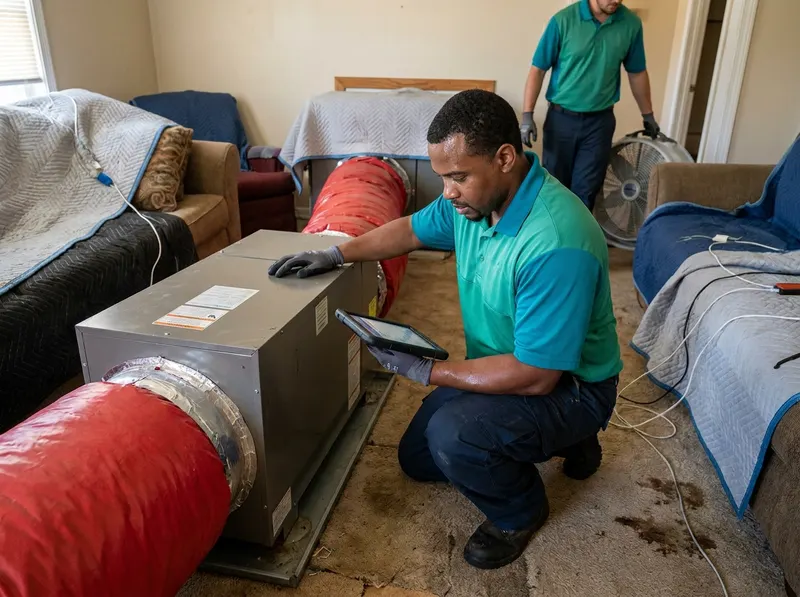
Structural thermal treatment circumvents the primary limitation of conventional chemical applications: physiological insecticide resistance. Bed bugs present high resistance to synthetic pyrethroids commonly found in retail aerosols. When ambient air reaches 122°F (50°C), cellular proteins inside Cimex lectularius denature, causing irreversible physiological collapse across all life stages within minutes. Industrial heaters pump sustained convective heat through flexible ductwork, while high-velocity air movers eliminate cold pockets under subfloors, behind baseboards, and within wall voids where harborages establish. In properties near Western Reserve West and Maple Ridge, forced-air circulation ensures uniform thermal penetration through hardwood trim and dense plaster without requiring invasive wall deconstruction.
Thermal remediation offers a single-treatment alternative to multiple chemical applications, but it requires thorough preparation. Inhabitants must temporarily remove thermal-sensitive items, including wax candles, pressurized canisters, oil paintings, prescription medications, and vinyl window blinds. For detached properties along the Patmos Road Farmlands or the Snodes Corridor, structural heat loss in older, crawlspace-foundation homes requires higher BTU inputs, often 300,000 to 500,000 BTUs deployed via mobile diesel-fired or electric generator systems. The trade-off between thermal and chemical methods is preparation rigor versus resolution speed: heat remediation requires significant upfront organization of household contents, but it neutralizes the infestation in one 8-hour operational window without leaving chemical residues on bedding or soft furniture.
Uniform heat distribution is continuously verified using non-contact infrared pyrometers and continuous wireless thermocouple probes placed inside the deepest harborage zones, such as the core of box springs and structural sill plates. Technicians monitor real-time thermal curves to guarantee every square inch maintains lethal lethal-boundary temperatures (minimum 122°F, targeted at 135°F) for at least 180 continuous minutes. In multi-unit properties within the Benton Road Enclave or draftier dwellings in the Berlin Center Rural Outskirts, exterior perimeter thresholds are sealed with insulated thermal barriers to prevent insects from tracking thermal gradients toward cooler secondary rooms.
Every job gets a firm, written price after a free on-site visit.
Tell us about your thermal bed bug remediation job in Oklahoma City and we'll send a clear, written quote, usually the same day.
 Zorevia Insect Specialists